How Buy Now Pay Later Risk Shifts After Checkout
Shoppers assume a return cancels a payment plan automatically, and that assumption costs people money more often than a hidden fee ever does. This piece works through what a retailer controls, what a buy now pay later provider controls, and where a promo code fits between the two.
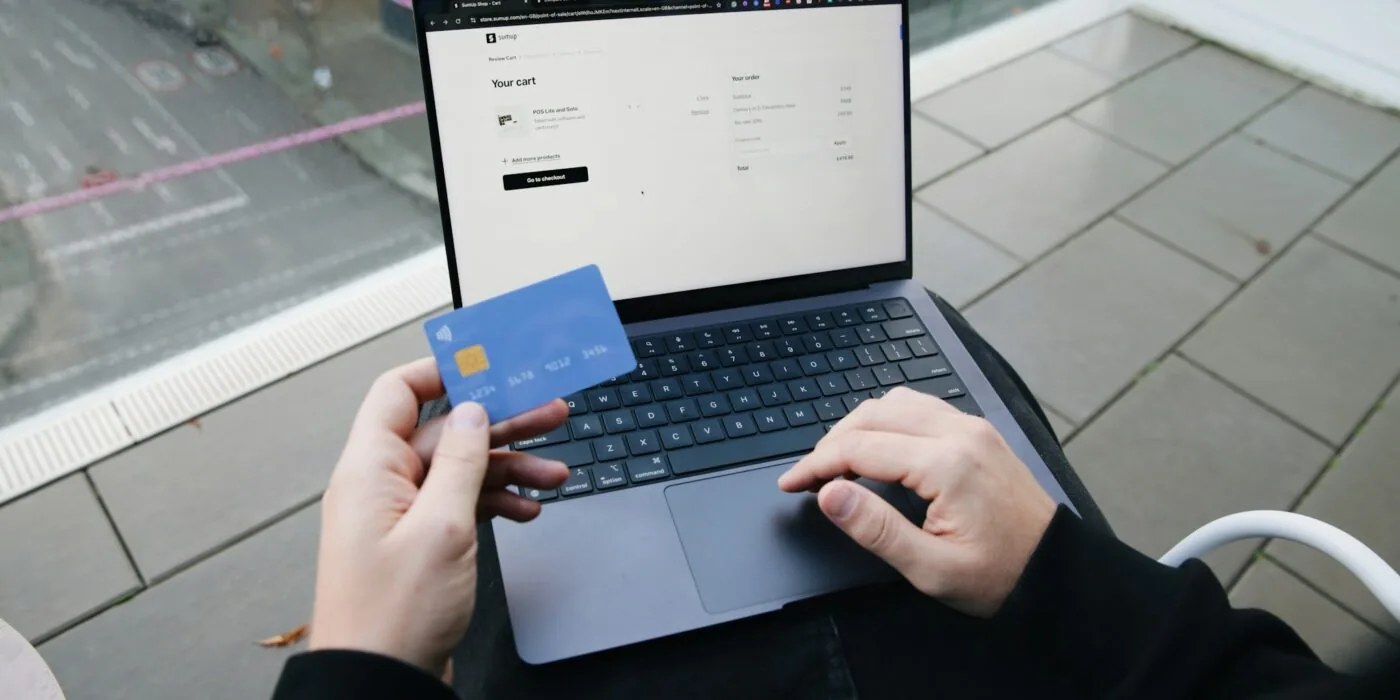
A shopper splits an order into four payments at checkout, then the item comes back a size too small. The store issues a refund, but the buy now pay later provider still expects the next installment on schedule. That gap between what the retailer does and what the lender does is where most of the confusion sits. This piece looks at what actually happens to the money on both ends.
The Late Payment Chain Reaction
Buy now pay later plans split a purchase into a set number of installments, and each one comes due whether or not you love the sweater. Miss a payment and the provider, not the retailer, decides what happens next. Some providers add a flat late fee to the next installment, others pause your ability to open a new plan until you catch up. A handful report missed payments to a credit bureau after a certain point, while others never touch your credit file at all. Read the payment schedule you agreed to at checkout, because that document, not the store's return policy, controls what a late payment costs you.
Returns Don't Cancel Payments
Sending an item back does not automatically stop your installment plan. The retailer processes the return on its own timeline, and the buy now pay later provider needs its own signal from the retailer before it adjusts your balance. Until that signal arrives, your next payment can still get pulled from your card. Some providers pause billing the moment a return is scanned by the carrier, others wait for the retailer to confirm the refund on their end, which can take longer than the store's own listed return window.
Where the Promo Code Actually Applies
A promo code almost always lowers the order total before the buy now pay later provider divides it into payments. That means your installments are calculated off the discounted price, not the sticker price. If you return part of an order, the refund is usually calculated the same way, off the discounted line item, so do not expect the provider to hand back the full undiscounted price for one item in a mixed cart. Some retailers exclude buy now pay later purchases from a promo code entirely, and that exclusion usually sits in the fine print next to phrases like not valid with other financing offers. Others let the two combine without comment, so the only way to know is to read the offer terms before you choose a payment plan at checkout. A code that stacks fine with a credit card can behave differently the moment you switch to installments.
Checkout Wording Worth Reading
Watch for phrases like installments not eligible for promotional discount or pay in four not combinable with other offers, because either one can quietly cancel a code you were counting on. Some checkout pages show that wording only after you select the buy now pay later option, not before. If you see it, apply the code first and confirm the discounted total holds once you switch payment methods.
Two Discounts Rarely Combine
Buy now pay later providers sometimes run their own promotions, like a discount for scheduling autopay or for using their branded card. Layer that on top of a store's promo code and you are asking two separate companies to each give something up on the same order. Retailers write their terms to prevent that kind of stacking far more often than they allow it. When a provider's offer and a store's offer do overlap, the checkout page usually applies only one and shows you which, so check the final total before you confirm the plan rather than assuming both landed. If the numbers on your receipt do not match what you expected, the mismatch almost always traces back to one of these two offers getting dropped, not a checkout error.
What Our Tracker Actually Checks
Couptic mirrors merchant and affiliate network feeds and matches every offer we list against them once a day. We do not open a cart, test a code by hand, or call a retailer to confirm a policy. That means a code marked live on our site reflects what the network reported as of that day's match, not a live test of the checkout page in front of you. For anything involving buy now pay later, cross check the terms tied to the code against the payment provider's own page, since financing exclusions do not always show up in the feeds we mirror.
Before You Split A Payment
Line up the return window on the item with the payment schedule on the plan before you commit to either. A return that takes longer to process than your installment schedule allows is the situation that causes most of the frustration people report with these plans. Check the specific wording at checkout, not a general impression of how buy now pay later works, since providers and retailers each set their own rules on refunds, fees and stacking.

Wes Callahan
Wes covers automotive parts and service retailers for Couptic. He notes which codes reach installation and which stop at the part itself, a line that often decides the real saving.