Why Return Rules Change So Much Between Categories
A shopper who returns a sweater without a fight can hit a wall trying to return an opened blender. This piece explains why retailers draw that line where they do and what wording to check before you buy.
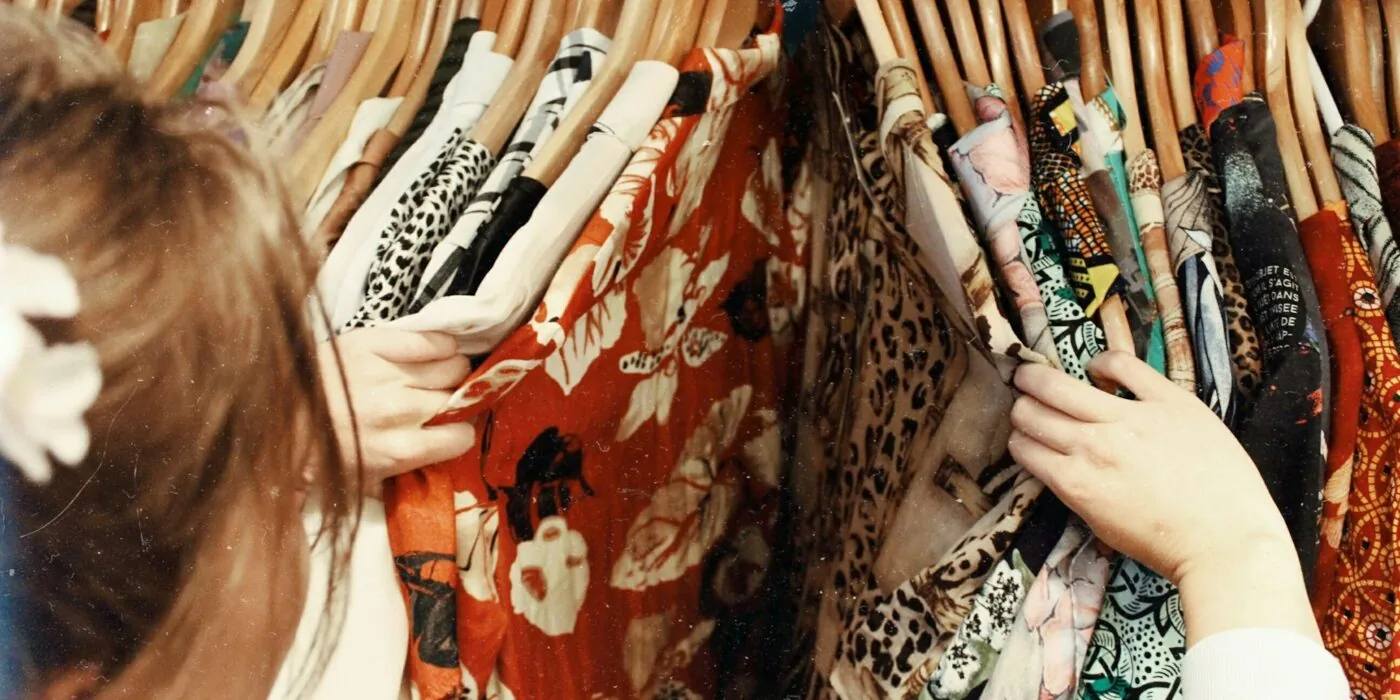
You bring back a dress with the tag still on and the cashier hands you a refund without a second look. Try that with a used vacuum or an opened box of skincare and the story changes fast. The gap is not random. It tracks how much a retailer stands to lose if a customer changes their mind after the box gets opened.
Electronics Face the Tightest Clock
Electronics and appliances carry some of the shortest return windows in retail, and many stores shrink that window further once a box is opened rather than just inspected. A sealed laptop and an opened one are treated as different products at the counter, because a used electronic device loses most of its resale value the moment someone plugs it in. Watch for language like restocking fee or opened box on the product page, since that fee often applies even when the item works fine. Some chains will only accept an electronics return with every cable, manual and piece of packaging back in the box.
Clothing Keeps the Longest Leash
Apparel and shoes tend to get the most forgiving return terms of any category, and that is not an accident. A shirt that comes back unworn costs the retailer almost nothing to resell, so stores can afford to let you try things on at home and send back what does not fit. Look for the phrase tags attached or original packaging, since a missing tag can void the return even if the item never left the closet. Worn shoes are the common exception, and a store will often flag outdoor wear on the sole as grounds to refuse the refund.
Beauty and Hygiene Draw a Hard Line
Beauty products, supplements and anything that touches skin or a body cavity get treated differently than almost any other category on a store shelf. Health regulations and simple contamination risk push most retailers toward a policy where an opened bottle of foundation or a used razor cannot go back on a shelf for resale. Some chains will still accept an opened beauty item if the customer had a reaction, but that usually requires a call to customer service rather than a walk-in return. Check the product page for hygiene seal or intimate item before you buy anything in this category, since that phrase usually signals a final sale once the seal breaks.
Furniture Comes with a Restocking Fee
Large furniture and mattresses sit in their own bracket because shipping them back costs real money. A retailer that ships a sofa across three states does not want that sofa coming back on the same truck a week later. That is why furniture returns often carry a stated restocking fee, sometimes a flat charge and sometimes a share of the original price, listed on the product page rather than buried in a general policy. Mattresses often add a trial period language instead of a simple return window, letting a customer sleep on it for a set stretch before the return clock even starts.
Groceries and Perishables Rarely Come Back
Food, plants and anything with a short shelf life mostly skip the return process altogether. A store cannot resell a bag of returned produce, so most grocery and perishable policies default to a refund or a replacement rather than accepting the item back. Where a return does happen, it usually requires a receipt and happens at the register on the spot rather than through a mailed return. This category is the clearest example of a policy shaped entirely by what the retailer can physically do with the item once it is back in the store.
Final Sale Tags Mean What They Say
Clearance racks, closeout sections and marked down online categories often carry a separate rule from the rest of the store. The words final sale or all sales final on a product page usually override any general return policy the retailer publishes elsewhere on the site. Some stores will still take a final sale item back for store credit rather than a cash refund, which is a distinction worth reading before checkout rather than after. Gift cards fall into a similar bucket, since most retailers treat them as non-returnable by default regardless of category.
How We Track These Differences
Couptic mirrors merchant and affiliate network feeds and checks every offer against them once a day, across a tracker that currently spans 4,575. We do not open carts, test codes by hand, or call retailers to confirm a policy, so the return terms described here come from what each merchant publishes on its own site. Policies inside a single category still vary by brand, which is why the product page and the checkout screen remain the two places worth reading before you click buy.

Gregory Paulsen
Gregory writes about office supply and business service retailers for Couptic. He follows volume thresholds and account requirements, which shape almost every code in this category.